
Centering Youth Voices in Mental Health Research: The Work of Emily Lemon, PhD, MPH
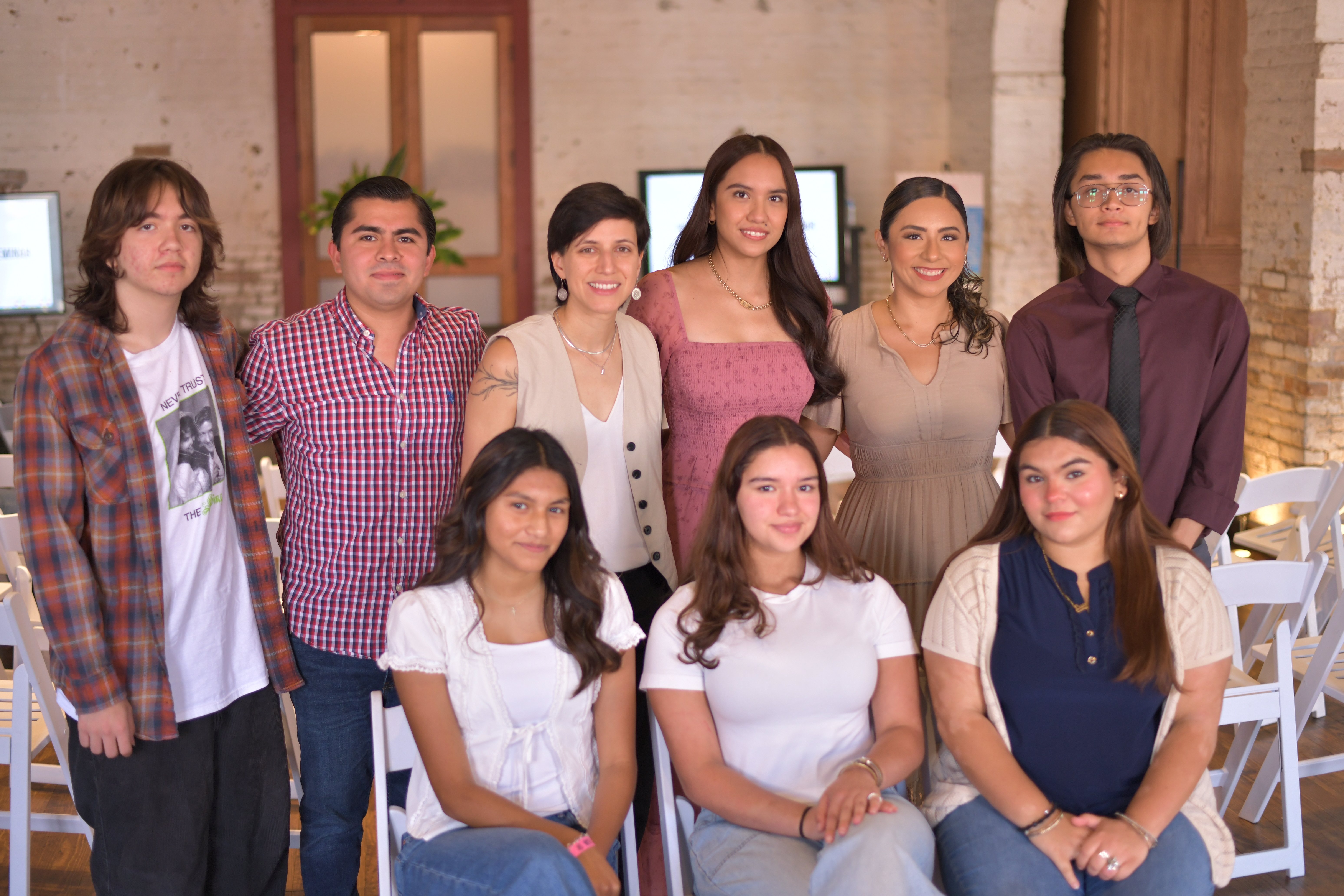
Emily Lemon, PhD, MPH, assistant professor in the Department of Health Promotion & Behavioral Sciences in Brownsville and faculty member at the Center for Healthy Communities, is dedicated to advancing youth mental health through community-engaged research that centers young people as partners in the research process. At UTHealth Houston School of Public Health, Lemon works with the Center for Health Promotion and Prevention Research, producing research in adolescent health. Her work incorporates a Youth Participatory Action Research approach that empowers youth to share their lived experiences and help shape the conversations and solutions surrounding mental health in their communities.
Lemon’s research emphasizes the importance of elevating youth perspectives, particularly in communities where young people often face unique social and environmental challenges. By creating spaces where youth can contribute meaningfully to research and dialogue, her work highlights how young people’s insights can inform more responsive and culturally grounded approaches to mental health.
One example of this approach is reflected in Lemon’s collaborative research project, "’ I Can Never Feel Safe’: Latinx Youth Voices on Psychosocial Impacts of 287(g) in Georgia,” published in 2024 alongside a team of student and community collaborators (1). The study brought together youth participants to document and reflect on how broader social environments can shape feelings of safety, belonging, and emotional well-being. By prioritizing youth narratives, the project demonstrated the value of participatory research methods in understanding how community contexts influence mental health. Through youth collaboration and leadership, the findings from this study were translated into a youth-led short film, Nuestra Realidad, which will later become a tool for further participatory inquiry into local strategies to promote the mental health of youth in immigrant communities.
Lemon also highlights work in South Texas exploring the role of youth leadership in community-based research. In September 2025, El Almacén Creative Studio in Brownsville became a vibrant hub of youth expression and dialogue during the Youth Mental Health from Our Lens seminar. Organized by members of the PARA Jóvenes Youth Action Board with guidance from Lemon and her team of students in Brownsville, the event brought together students, educators, mental health professionals, and families to explore the social and cultural factors shaping youth mental health in the Rio Grande Valley. At the center of the seminar was a Photovoice project led by Lemon’s Siembra Lab, a participatory research method that empowers youth to capture their experiences through photography and storytelling. Supported by near peers, youth participants explored both the challenges and sources of strength present in their communities through images and group dialogue.
Attendees identified several themes influencing their mental health, including feelings of isolation, academic pressure, social media influence, and beauty standards. At the same time, their work highlighted powerful sources of resilience such as supportive friendships, strong family connections, and a sense of belonging within their communities.
Importantly, the youth participants also shared their own ideas for improving mental health support. Their recommendations included creating more youth-centered safe spaces, encouraging open family conversations about mental health, and launching initiatives to reduce stigma around seeking help.
As one youth participant noted during the event, “Sometimes, when teens go to tell adults about the problem, they don’t think it’s as serious.” By creating opportunities for youth to share their experiences directly with community leaders and researchers, Lemon’s work helps ensure that these perspectives are heard and valued.
These data were later presented at the National Hispanic Science Network by School of Public Health students in Brownsville, who received travel awards to present posters and panel presentations on our findings.
Throughout her research and mentorship, Lemon continues to emphasize that youth are not merely research subjects but essential partners in shaping solutions for better mental health outcomes. Through community-based research in the Siembra Lab, she is helping cultivate the next generation of advocates, researchers, and leaders working to strengthen youth well-being in their communities.
Lemon’s commitment to participatory research and youth engagement aligns closely with the Center for Healthy Communities’ mission to advance community-driven approaches to health and well-being across Texas. By elevating youth voices and supporting collaborative research, her work highlights the transformative impact of listening to and learning from young people.
- Lemon, E. D., Mera Nieto, K. S., Serrano Laguna, L. Y., Flores, Y. A., Niño-Suastegui, M., Peraza Campos, J., Fuentes, V., Lozada, K., Ling, A., & Woods-Jaeger, B. (2024). "I Can Never Feel Safe": Latinx Youth Voices on Psychosocial Impacts of 287(g) in Georgia. Health education & behavior: the official publication of the Society for Public Health Education, 51(1), 71–81. https://doi.org/10.1177/10901981231193695