
Childhood obesity: How can it be avoided?
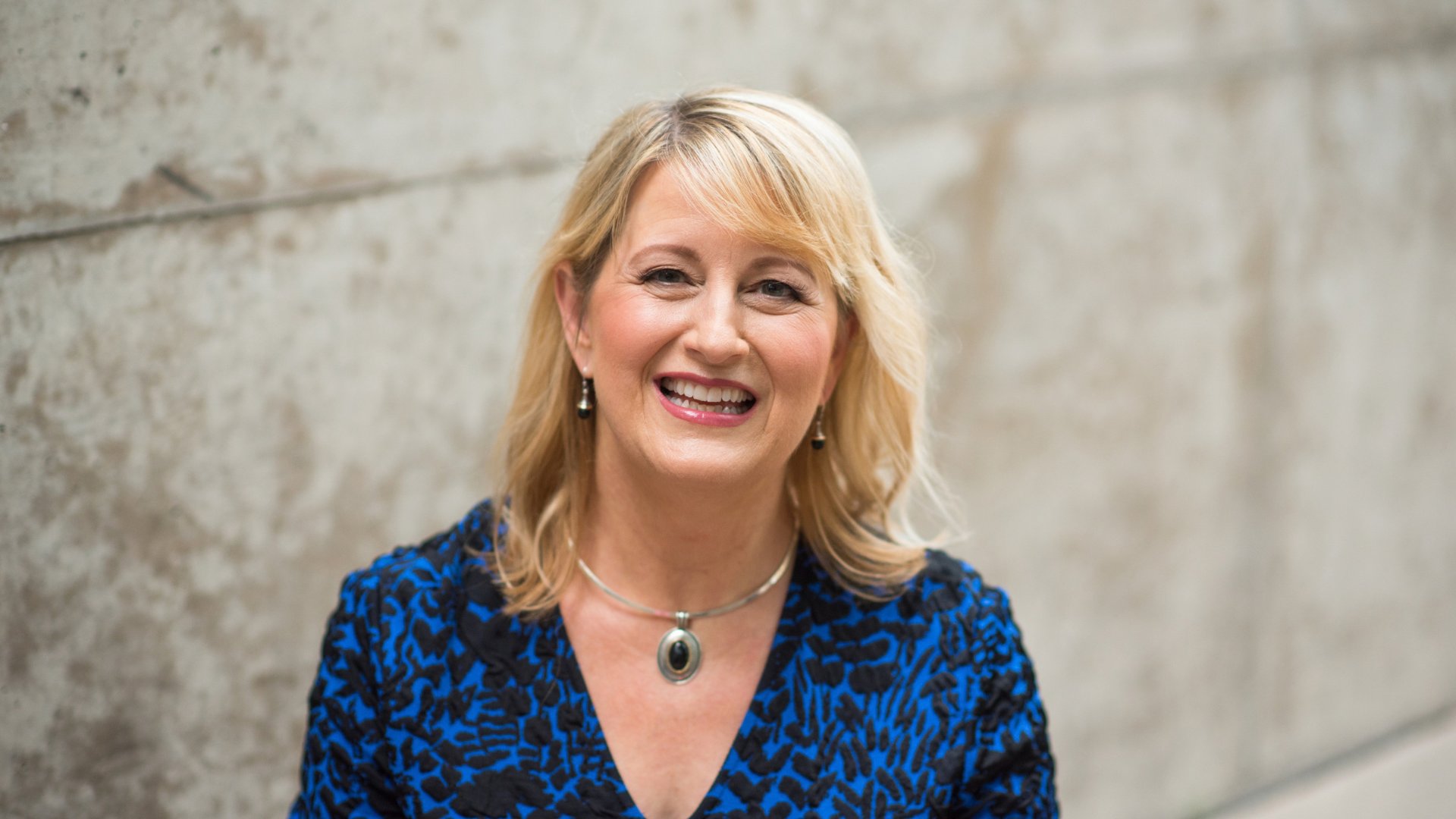
Welcome to “Ask the Expert,” a UTHealth Houston news series where our leading experts examine pressing health challenges. In this edition, we address child obesity to support Childhood Obesity Awareness Month.
Childhood obesity is one of the most significant public health issues that affects today’s youth. National data from 2021-23 show that 21.1% of U.S. children ages 2-19 have obesity; 7% of those children have severe obesity.
UTHealth Houston’s Texas School Physical Activity and Nutrition survey from the same period shows a higher prevalence in our state, with obesity among 19.9% of second grade students, 22.7% of fourth graders, 27.7% of eighth-graders, and 31.6% of 11th graders.
What defines childhood obesity?
Childhood obesity is defined as excess body fat. It can be estimated using body mass index, or BMI. To calculate BMI, divide body weight in kilograms by height in square meters.
Children with body weight between the 85th and 95th percentiles (based on a standard population) are overweight, while those at or above the 95th percentile have obesity. Children with severe obesity have a BMI at or above 120% of the 95th percentile. Child weight classifications differ by sex and age, and growth charts from the Centers for Disease Control and Prevention are used to calculate obesity. The CDC’s online child and teen BMI calculator can estimate weight status.
In children, it doesn’t take much weight to distinguish normal weight from obesity. For example, for a fourth grade girl who is 9 years old and 48 inches tall, only nine pounds separate normal weight from obesity classifications. As a rule of thumb, if children gain more than 15 or 16 pounds per year during puberty, they are likely to gain enough weight to fall into the obesity category.
Though BMI is highly associated with child obesity, it should not be the only criterion. If your child has a high BMI, a physician should perform a more extensive evaluation to determine the extent of the problem. Since children grow rapidly, especially during puberty, BMI and weight classifications can fluctuate. It’s important to monitor their weight throughout this period.
The causes of childhood obesity are multifactorial, but diet, physical activity, and underlying genetic factors are prominent.
Why should we address child obesity?
Obesity presents a health risk for children, both now and in the future. We know that obesity tracks over time—a child with obesity is more likely to become an adult with obesity. Excess body weight in childhood and adolescence is associated with many adverse health outcomes, such as prediabetes or diabetes, cardiovascular disease risk factors, and high blood pressure. Children with obesity also tend to have poor self-esteem, stress, and depressive symptoms. Childhood and adolescence are optimal times to implement obesity prevention programs since habits formed during this period carry into adulthood.
What steps can parents take to prevent child obesity?
First, recognize that child obesity is a sensitive topic. Children with obesity might be teased at school, feel left out, or be self-conscious. Identify behaviors that they can change. Because long-term consequences often do not resonate with children or adolescents, frame improving their diet and physical activity as a way to help them, for example, have more energy or perform better in sports. Rather than focus on a child's body size or looks, encourage healthy behaviors overall.
Several “stealth” interventions can help parents more effectively address child obesity:
- Encourage physical activity: Build opportunities for activity into daily life, like walking to school, playgrounds, or other destinations. Provide sports equipment, such as soccer balls, tennis rackets, and bikes. Involving teens or children in some type of physical activity, especially one they can continue throughout their lifespan, goes a long way toward preventing obesity.
- Create an environment that encourages healthy eating habits: Make healthy food not only available but accessible in your home. For example, substitute packaged snacks with cut-up veggies or apples with hummus. Enrolling the family in a culinary medicine class is another option—cooking at home is associated with better diets and lower cardiovascular risk factors.
- Set a regular bedtime for your children, with no devices in their bedroom: Our work shows that regular bedtimes are associated with healthier eating and higher physical activity. It’s also important to monitor screen time—make sure your child or teen isn’t following influencers who promote unhealthy weight-loss practices or fad diets.
- Avoid sugary beverages and ultraprocessed foods: Data shows that children eat a lot of these foods. Sugary beverages include sodas, as well as fruit punches, chocolate milk, and sweet tea. Energy and coffee drinks contain high levels of sugar and caffeine, which should be limited for children. It’s also best for children to avoid foods with sugar substitutes. Keep these foods out of your house. Encourage children to drink water, unflavored sparkling water, or plain milk. Parents and children should also learn how to read and interpret nutrition fact labels.
How is UTHealth Houston raising awareness about childhood obesity?
Investigators at the Michael and Susan Dell Center for Healthy Living at UTHealth Houston School of Public Health have been addressing childhood obesity for decades. We began this work in the late 1980s, when we participated in an NIH-funded study to decrease cardiovascular risk factors in elementary school children through the Child and Adolescent Trial for Cardiovascular Health (CATCH). We found changes in children's diets improved their physical activity, and we later observed an obesity-prevention effect. We continued to disseminate CATCH as the Coordinated Approach to Child Health and we expanded from elementary school to preschool and middle school. My colleagues and I at the School of Public Health helped form the CATCH Global Foundation, which has now expanded to address new behaviors, is in all 50 states, and has an international presence as well.
One of our current studies, the Active Middle School Communities project, is working with community teams to co-create built environments and individual interventions that increase adolescent physical activity. The School of Public Health’s Nourish Program is also conducting culinary nutrition programs for adults, which we hope to extend to schools and schoolchildren in the near future.
Throughout our work, we have learned many lessons. One of the most significant is that child obesity requires consistent attention and programmatic focus. We live in a world that encourages us to eat more and move less, and we need to work constantly to move in a positive direction. UTHealth Houston has been a leader in these efforts, and we hope to continue and amplify these efforts in the next few years.
Deanna Hoelscher, PhD, RDN, is director of the Michael and Susan Dell Center for Healthy Living, regional dean, and John P. McGovern Professor in Health Promotion at UTHealth Houston School of Public Health. All quotes should be attributed to her.
For media inquiries or if you would like to submit future health topics: [email protected] or 713-500-3030.