
Building on a long legacy
UTHealth Houston School of Public Health reflects on the history of the Reuel A. Stallones Building, and looks forward to future in a new space
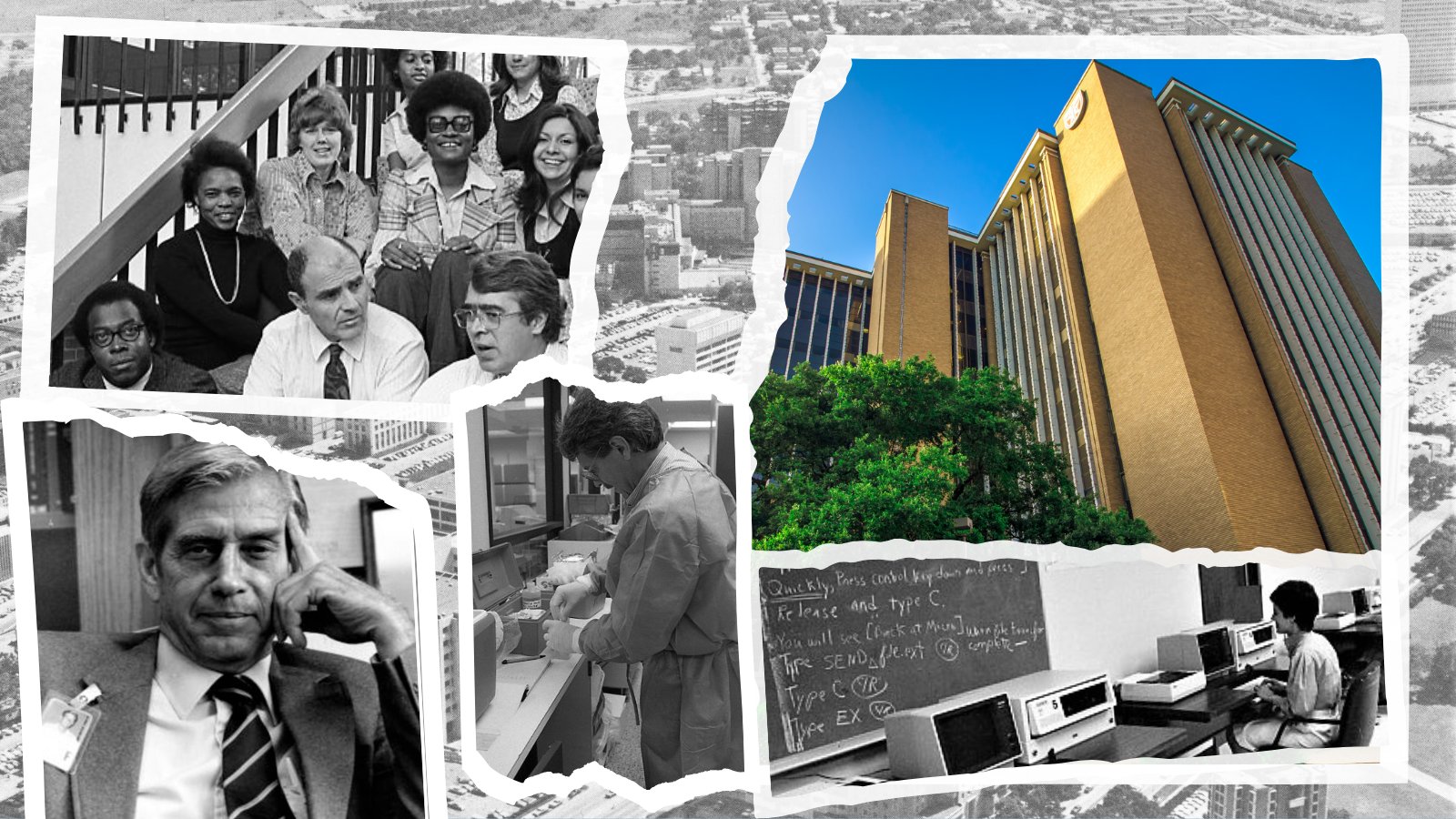
In its near sixty-year history, UTHealth Houston School of Public Health has never been represented by a single idea, space, or building. Since its official opening in 1967, the School of Public Health has remained dedicated to advancing the science and practice of public health to create a healthier world.
This school’s Reuel A. Stallones (RAS) building, located at 1200 Pressler St., has long housed the conception of new ideas and served as a space for researchers to congregate and develop methods to shape the future of health. The school’s history starts not in a single building, but in borrowed rooms and basements, long before the 2022 authorization the construction of a $299 million state-of-the-art building became reality.
The school's origins trace back to 1947, when it was first authorized by The University of Texas System and the Texas Legislature. The need was urgent. The first half of the 20th century had been marked by devastating disease outbreaks, and leaders across Texas recognized that safeguarding population health required more than reactive medicine—it required a dedicated institution. Still, it would take more than two decades before that vision materialized into funding and action.
By September 1, 1967, the school officially began to take shape. John Randolph Hall Jr., MD, MPH, an accomplished occupational health expert and decorated military physician, was appointed acting dean, laying the groundwork for what would become Texas's first and largest school of public health. It was in 1968 when Reuel A. "Stoney" Stallones, MD, MPH was appointed founding dean where the school's mission flourished to train the future of public health. He made a call to recruit the newest generation of public health professionals as faculty to move the field forward and advance the school’s mission.
"We're going to build a first-rate school right from the start. And we're going to do so quickly, or there's no point in trying at all. There is no room for mediocrity in public health," Stallones declared, words that would echo through every phase of the school's growth and into its current existence.
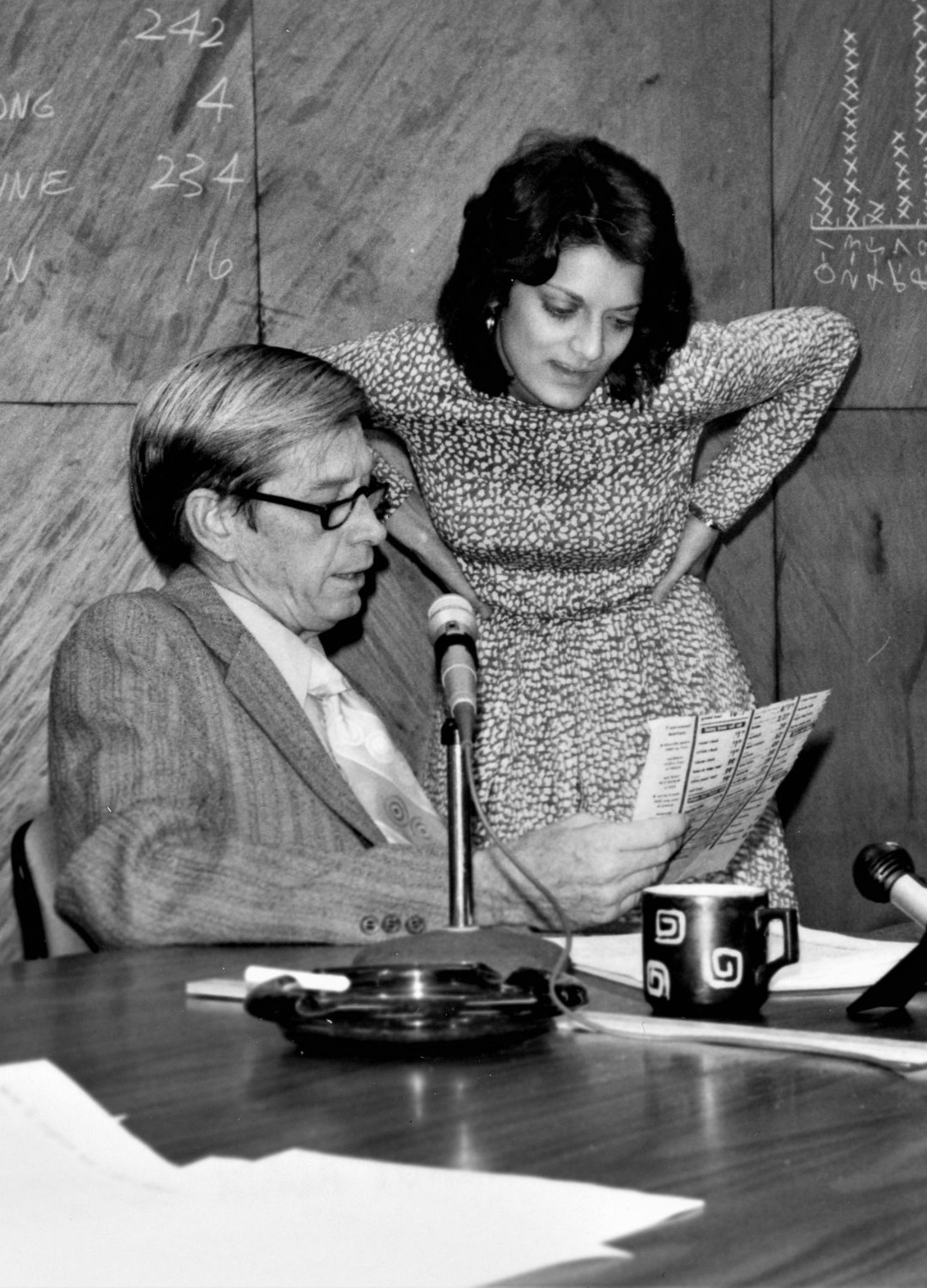
The first class of 42 students arrived in 1969, yet the school had no central home. Classes were scattered across the Texas Medical Center including the former Hermann Professional Building, Anderson Mayfair Hotel, MD Anderson Hospital, and more. Many students attended lectures in borrowed rooms on several floors, spaces never intended to house a school, yet filled with students driven by a sense of purpose that far exceeded the space limitations. For this early class of students, the experience was less about where they learned and more about what they learned and how it would impact the health of communities and future generations.
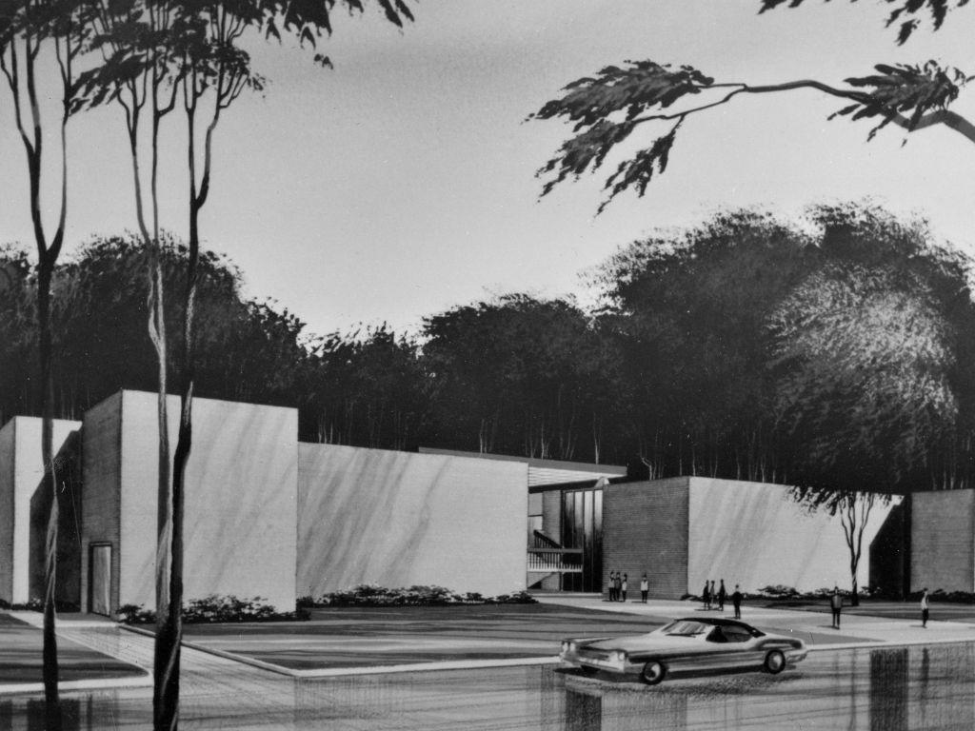
That determination soon turned into blueprints and sketches. The school had received approval to move into a new building in a series of phases, with phase I being a lot filled with portables to host classrooms until the construction of the phase I and phase II structures would be completed. In 1971, construction was completed on a $1.2 million Phase I building, bringing students, faculty, and research under one roof for the first time on the land the school still calls home today. It marked a turning point in its history, from scattered spaces to a hub of innovation. The following year, the construction of Phase II began, what would become the new home of the School of Public Health for the next fifty years. An $11 million, two-towered, 10 story building broke ground, and by 1976, the Phase II building concluded construction, reflecting a school growing in both size and influence. This building would later be known as the Reuel A. Stallones building on 1200 Pressler Street, dedicated to the man who envisioned a school of bright minds coming together, across laboratories, across the medical center, and across boundaries.
As the school grew, its footprint expanded beyond Houston. Not only was there a need for more public health researchers in Southeast Texas, but there was also a call across the state.
Beginning in 1979 with San Antonio, and later followed by El Paso, Dallas, Brownsville, and Austin, the school extended its reach across Texas. Each location brought new partnerships, new communities, and new opportunities to address health disparities, and expand learning opportunities for future public health leaders.
Since its establishment, many faculty members have launched research initiatives across the world, dedicating themselves to new projects and measuring outcomes. No longer do we serve just Houstonians or Texans, but a global population. This has served as a foundation for students and alums, training them to advocate for and promote good health globally.
In its history, the school weathered storms and hurricanes, faced floods, and underwent renovations to update its many laboratories and expansive library. These adversities were all in preparation for one of the most challenging times for a public health worker – a challenge that came in the form of a worldwide public health emergency.
2020 was a year that tested not just the school's infrastructure but also its very mission. The COVID-19 pandemic emptied classrooms and shifted learning online, yet it simultaneously underscored the critical importance of public health. Faculty, staff, and students stepped into the global spotlight, tracking outbreaks, advising government officials and community leaders, and guiding communities through uncertainty.
While the world paused, public health pressed forward.
In the years that followed, interest in the field surged. By 2022, enrollment reached an all-time high, with more than 4,000 students answering the call to address population health. Each year, a new class of admitted students dedicates itself to the original mission declared by founding dean Stallones and is now upheld by Eric Boerwinkle, PhD, Dean and Kozmetsky Family Chair in Human Genetics.
In the last 50 years, the school has celebrated over 11,000 alums, each working to make a difference in the populations and communities they serve. The school these alumni graduated from does not represent a single building, but rather a school that spans cities, states, and international borders.
Today, as the school anticipates a summer move-in to the brand new building, located on 1930 Old Spanish Trail, the contrast is striking from its infancy. From borrowed classrooms to a cutting-edge facility designed to foster collaboration, research, and innovation, the evolution is both physical and symbolic. Yet, the heart and mission of the institution remain unchanged.
"I greatly appreciate the support of the University and Board of Regents to make this building a beautiful and functional reality. The new structure is a representation of the important work happening in public and population health, as UTHealth Houston School of Public Health is not defined by steel, glass, and bricks. It is defined by people helping other people and their communities,” stated Boerwinkle. “Across every location, it is the collective footprint of our alumni, faculty, and students, from past, present, and future that truly defines who we are and the impact we make.”
UTHealth Houston School of Public Health has never been one building, but a unification of students, faculty, and staff committed to advancing public health and improving health. It was and continues to be about the people driven by a shared belief that the future of health is something we can shape together.